
The artificial intelligence (AI) technology race has triggered the dispensation of capital not seen since the widespread adoption of the internet. As AI data centers drive unprecedented demand for electricity, the ability to build and modernize power infrastructure is emerging as a critical bottleneck to keeping pace with that demand. Investors, tech companies, and even governments are taking action to capitalize on this speculative mania to capture market share of this pivotal new technology or to profit from the buildout of new infrastructure.
This level of hype and venture capital investment is reminiscent of the previous technology-inspired boom and its subsequent market crash. The dot-com bubble was prompted by the rapid growth of valuations in startup companies, which became increasingly overvalued due to irrational investment. Dot-com companies were raising substantial capital through expedited IPOs despite never turning a profit or, in some cases, never making a finished product. The price correction in stocks was inevitable, but no one knew where the trigger would come from.
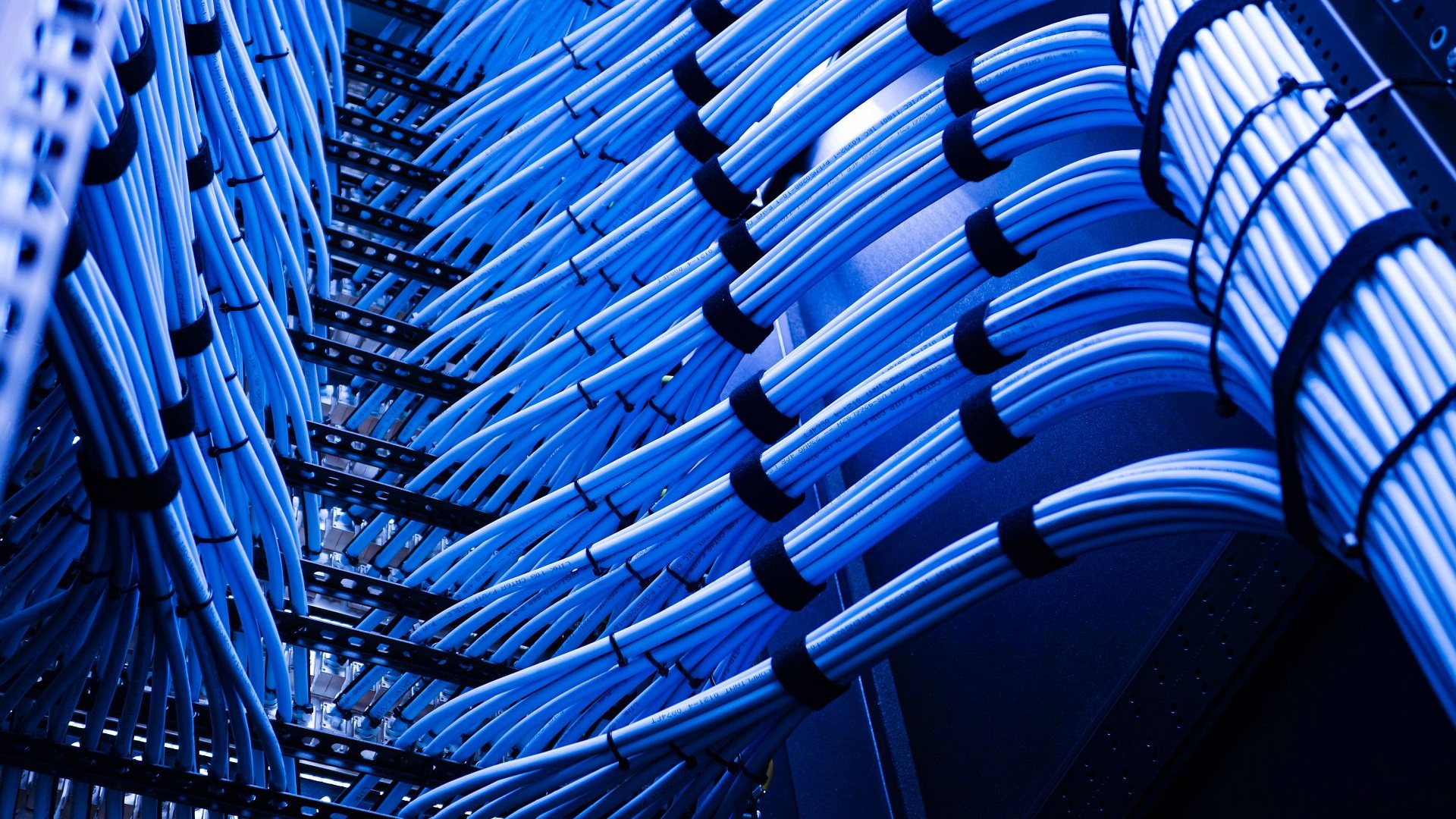
It is now understood that the bubble’s collapse truly came largely from the telecommunications industry. In under 5 years, over $500 billion of debt-financed investment was made to build out the infrastructure of the impending internet age.[1] Telecommunication equipment companies laid more than 11 million kilometers of fiber optic cable in a sprawling wireless network across North America. The problem was that they built the highways without any roads connecting directly to households. This issue came to be known as the missing last mile of infrastructure that plagued the industry with underwhelming consumer demand that lagged behind the immense growth in capacity. The high debt ratios of these telecommunications companies coupled with rising interest rates triggered a series of bankruptcies that engulfed the market and finally popped the bubble.
The lesson learned was that overinvestment in infrastructure before the consumer could utilize the product can bring a poor return on investment. The cart was put before the horse, so to speak, as millions of miles of fiber-optic cable were built but failed to deliver the last mile of cable to Americans who were stuck using dial-up internet. Thus, less than 10% of this infrastructure was being used, leading to the term “dark fiber” to describe the poor return on investment. The industry had neither a lack of supply nor future demand. They simply had a delivery problem.
The companies building the infrastructure of today’s technology boom are plagued by a unique but related issue. The last mile of AI infrastructure is already completed. The software and hardware needed to run AI programs is already in the hands of countless consumers as they simply need to download an app. The first mile is what’s missing. The colossal data centers that enable AI large language models (LLMs) require vast amounts of electricity produced and transmitted via infrastructure that is hopelessly antiquated.
The newest AI-focused data centers can consume roughly 12,000 megawatt-hours (MWh) of energy every single day, depending on their size and power capacity.[2] The annual electricity usage is equivalent to powering 420,000 U.S. homes. These facilities run 24 hours a day, 7 days a week, and may elevate electricity flows to levels that exceed the physical capacity of transmission infrastructure. Grid congestion can damage electrical equipment, triggering cascading outages, and can increase reliance on nonrenewable energy sources and even raise energy prices for local consumers.
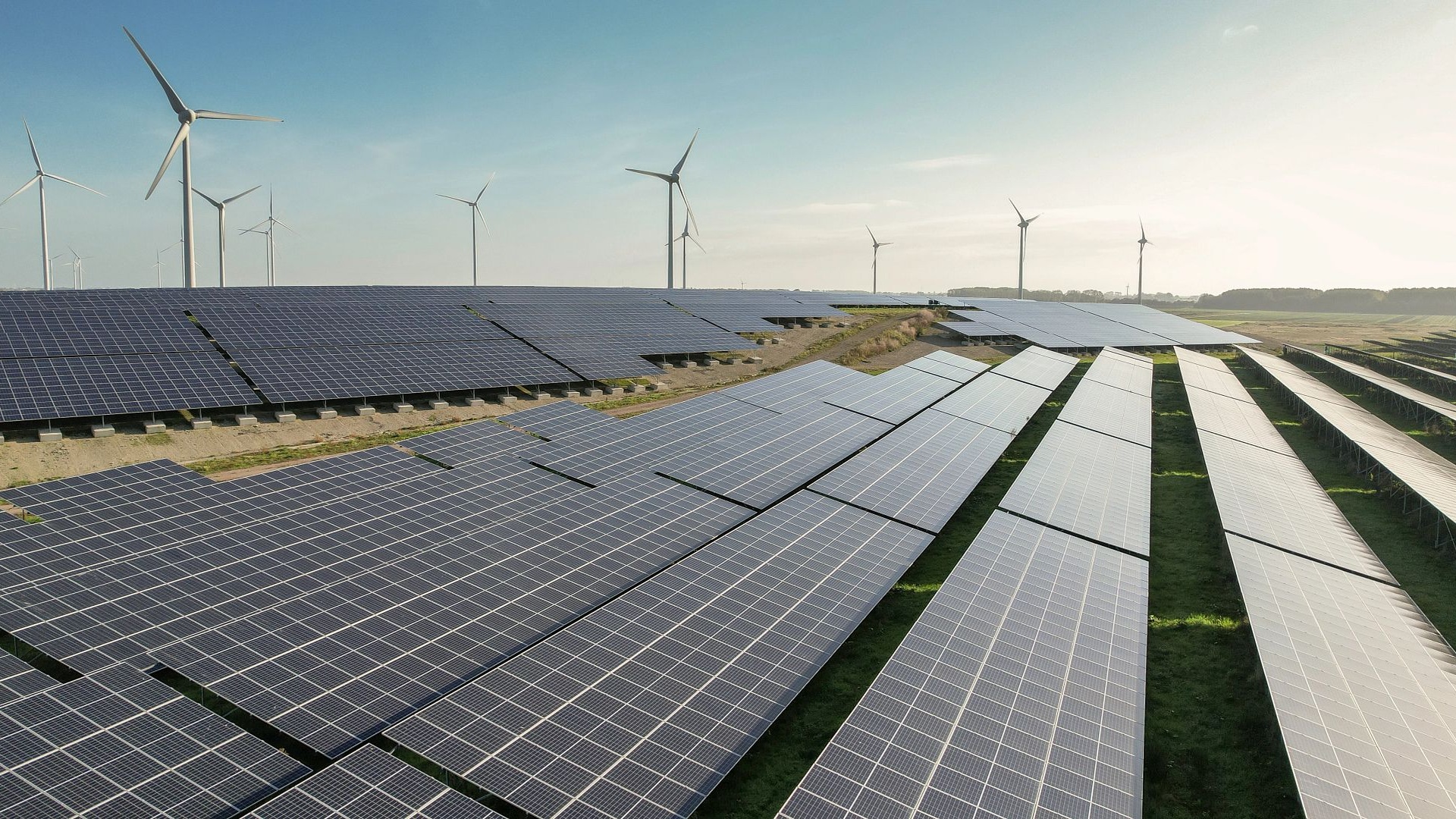
According to the U.S. Department of Energy (DOE), data centers consumed roughly 5% of total U.S. electricity in 2023 and are expected to account for roughly 6.7% to 12% of total electricity by 2028.[3] The vast majority of America’s electrical grids were developed 50 to 75 years ago and have received minimal updates to sustain this heightened demand and power load. Even a conservative projected increase of 500 terawatt-hours (TWh) per year will require significant investment in new power generation facilities, modernizing electrical substations and installing countless high-voltage transmission lines.
The U.S. must revolutionize its electrical infrastructure regardless of the speculative bubble in AI stocks. Data center development has only exacerbated a problem that already existed and needed to be fixed yesterday. Governments are investing in grid modernization at every scale. Onsite natural gas plants, small modular nuclear reactors and dedicated microgrids are being developed not just for AI data centers but for a variety of large-scale industrial projects. Innovations in superconducting transmission lines and grid planning software are being utilized to supplement the excess energy demand for growing municipalities.
The market will sort out winners and losers of the AI dominance race, but before that race is even started, the true victors are the ones building the track. The first mile of infrastructure is the missing piece that determines the successful rollout of this new technology. The regulated utility providers; Engineering, Procurement, and Construction (EPC) contractors; and basic equipment providers are positioned to be major beneficiaries of this AI boom because they are solving the same delivery problem that caused the dark fiber of the dot-com bubble.
The different eras of significant technological innovations lead to dramatic changes in ways that are not immediately evident. The internet, the steam engine and the printing press are all just different ways for information and products to move faster between people. Technology itself could not change the world without the development of infrastructure to mass produce it and make it accessible to all the people of the world. AI is just another tool that requires avenues to reach the people that use it. The AI tech innovators may be the ones making headlines, but the companies that pour concrete and tie electrical lines are just as important to getting this product to where it delivers value.
Learn how Protiviti helps organizations navigate evolving power and infrastructure challenges: www.protiviti.com/us-en/power-utilities-and-renewables.
Eric DeHart of Protiviti’s Energy & Utilities industry team contributed to this content.
[1] Cris Tolomia, The Dot-Com Bust Was a Debt Disaster. AI’s Borrowing Binge Looks Different — but Not in Every Way, May 8, 2026, https://qz.com/ai-debt-dot-com-telecom-borrowing-comparison-050526.
[2] Power Magazine, Data Centers and the Grid: How Hyperscale Computing Is Reshaping Power Infrastructure, May 1, 2026, www.powermag.com/data-centers-and-the-grid-how-hyperscale-computing-is-reshaping-power-infrastructure/.
[3] U.S. Department of Energy, DOE Releases New Report Evaluating Increase in Electricity Demand from Data Centers, December 20, 2024, www.energy.gov/articles/doe-releases-new-report-evaluating-increase-electricity-demand-data-centers.